
Recent technological advancements have opened up a plethora of avenues for interactive environments to become more immersive and user-responsive. One such promising extension is the integration of sound responsiveness through Amit's Sonia Library.
Understanding Amit's Sonia Library
Amit's Sonia Library is a cutting-edge tool designed to enable developers and artists to incorporate sound detection and responsiveness into their interactive projects. This library is gaining traction as an effective means to achieve a higher level of engagement in various multimedia endeavors.
Bringing Sound to Interactive Environments
The potential to use sound as a responsive element in interactive installations holds the promise of creating an environment that is not just visually stimulating but also acoustically dynamic. This allows for a more comprehensive sensory experience for users, who can interact with the environment in a way that feels more natural and intuitive.
The Interplay between Technology and Creativity
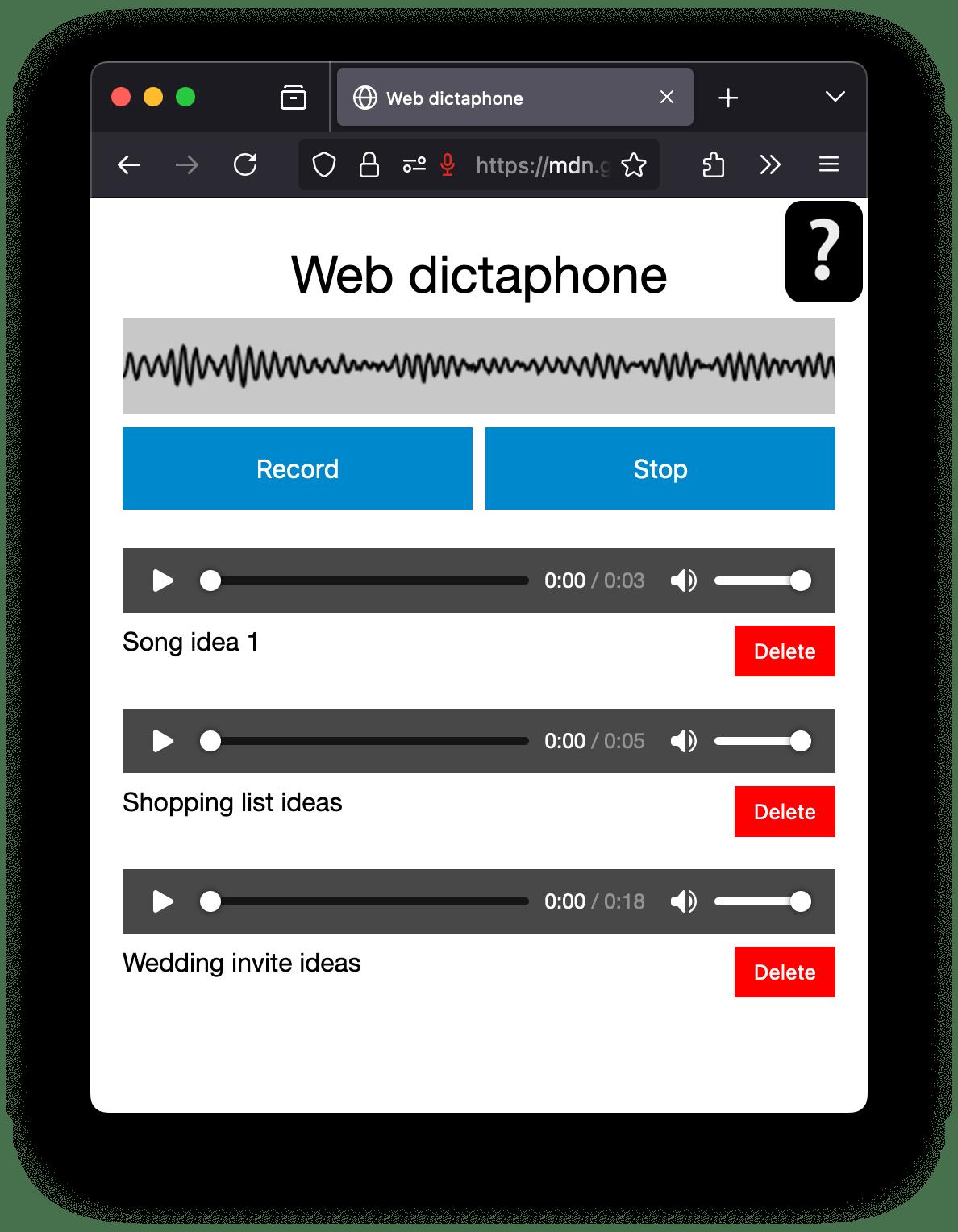
By pairing technology with creative vision, the Sonia Library opens up a new realm of possibilities for designers and developers. Sound responsiveness can aid in developing applications and environments that respond to auditory stimuli, thereby customizing the user experience based on the environmental sound cues.
Documentation and Software Insights
To fully harness the power of sound responsiveness, in-depth documentation and software insights are essential. Documentation provides the technical scaffolding that is indispensable for building robust and responsive audio-interactive systems.
The Importance of Comprehensive Documentation
Much like the well-documented resources available for the Sonia Library, complete and accessible documentation serves as a roadmap for developers to fully exploit the library's features while also enabling them to troubleshoot and innovate upon the given frameworks.
Case Study: Voss Open

One illustrative example of the potential benefits of sound-responsive technology is the Voss Open event. Implementing sound-responsive elements within such an occasion can not only enhance the experience but also pave the way for analyzing user engagement through sound interactions.
The Visual and Auditory Fusion
Integrating sound responsiveness in the context of events like Voss Open stands as a testimony to how auditory feedback can be used to complement and elevate the visual stimuli offered to the attendees.
Travel Meets Audio-Interactive Environments
In the travel industry, audio-interactive environments can serve as a powerful tool to create immersive experiences for explorers and tourists. Imagine walking through a historical site where the ambiance is further enriched by responsive soundscapes that react to the presence and movements of the visitors.
Reimagining Travel Through Sound
This integration of sound responsiveness not only offers an educational dimension but also transforms the way travelers interact with their surroundings. It's a sustainable approach that can enhance the narrative and emotional connection with a destination, leading to more meaningful travel experiences.
Conclusion
As we anticipate the future fusion of Amit's Sonia Library with interactive environments, we stand on the brink of an era where sound not only complements the visual but becomes an essential, immersive part of the user experience. It offers a path toward dynamic and engaging systems that resonate not just with our eyes, but with our ears and emotions as well—foretelling a new chapter in both interactive design and the experiential aspects of travel.